Proven Technology. Modular Deployment. Multiple Revenue Streams.
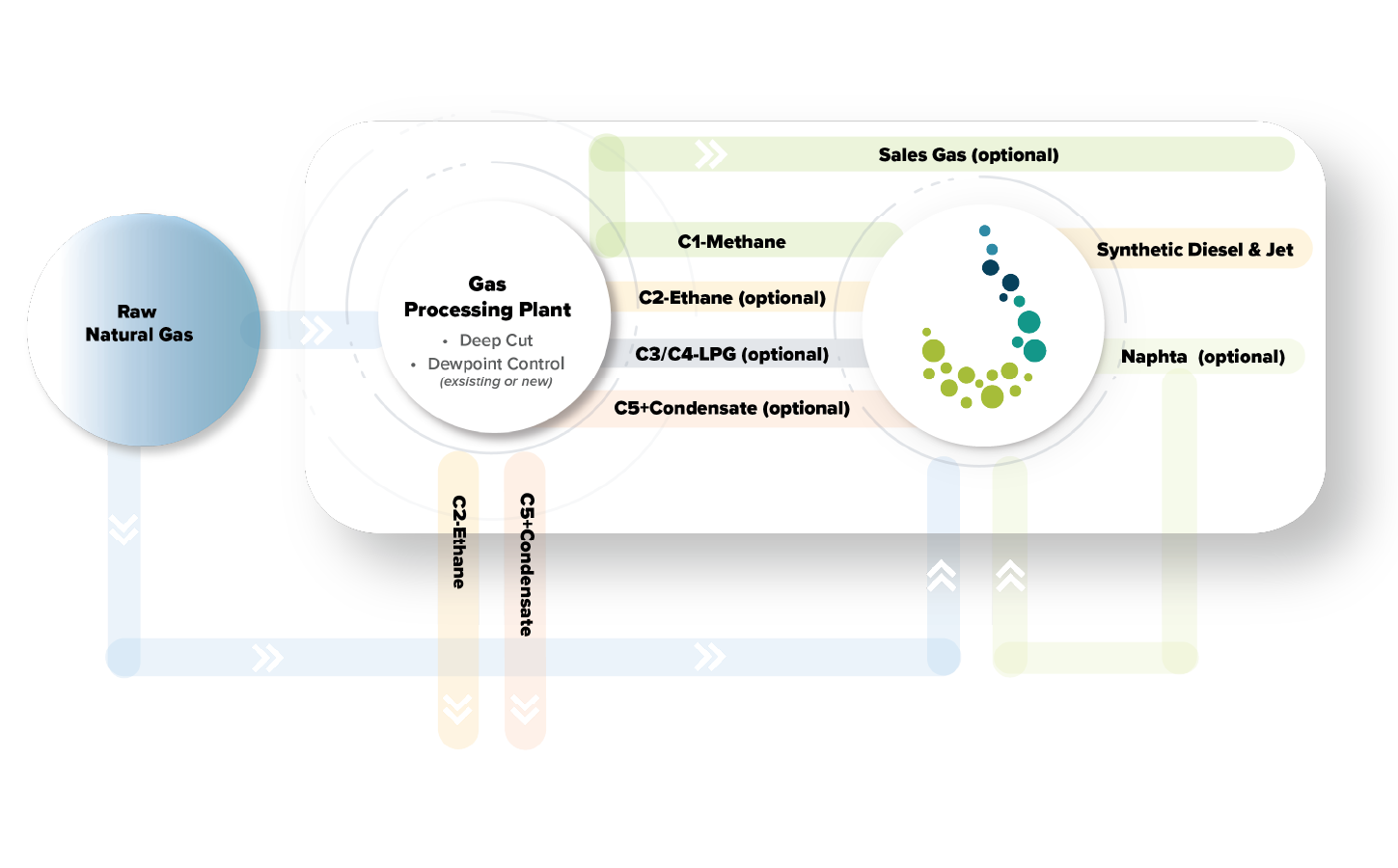
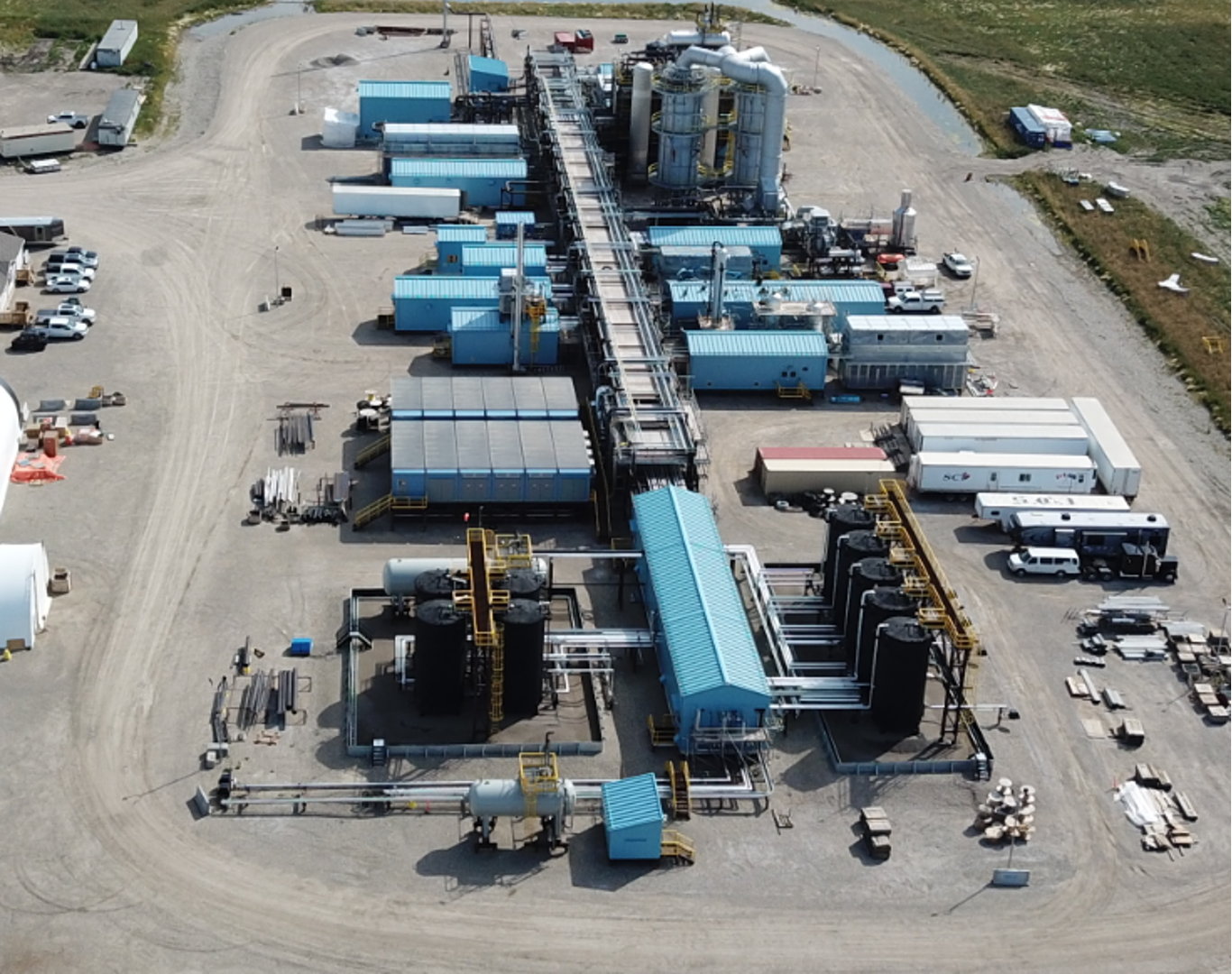
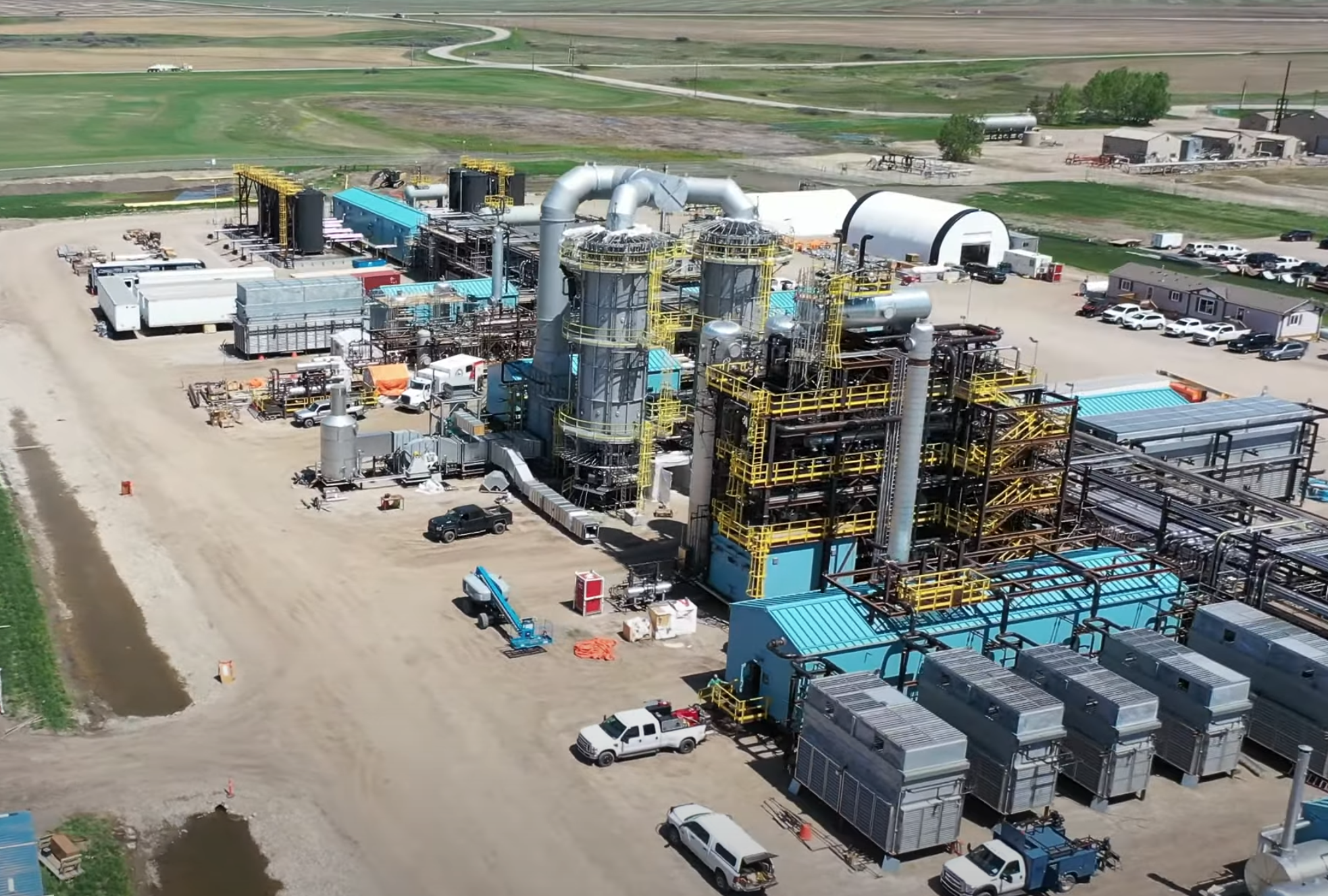
Synova deploys Enhanced Gas-to-Liquids technology to produce drop-in synthetic fuels and hydrogen using a modular plant design. Facilities can be right-sized to local conditions and expanded over time as demand grows.
Key advantages include:
- Modular plants scalable to 5,000 plus barrels per day ("bpd")
- Multi-train configuration enables phased developments
- Repeatable shop-built modules reduce cost, complexity, and execution risk
- Faster installation timelines vs. traditional refining infrastructure
- Ability to co-produce hydrogen and industrial by-products
This approach lowers execution risk while preserving long-term upside.
Technology
Synthetic Diesel (SynDiesel™)
Synthetic Jet Fuel
Fischer-Tropsch Wax
Naphtha
Hydrogen
Ammonia & Urea
Synthetic Diesel
Synova’s Synthetic Diesel is a premium, ultra-clean fuel produced from natural gas and natural gas liquids using the proprietary EGTL process. It contains zero sulfur and near-zero aromatics, with a cetane rating above 70, delivering cleaner combustion, improved engine efficiency, and reduced particulate emissions compared to conventional diesel.
Synova's synthetic diesel is fully drop-in compatible with existing diesel engines and infrastructure, requiring no modifications for blending or direct use. Its high lubricity and clean burn profile make it particularly well-suited for transportation, mining, power generation, and marine applications, where fuel quality directly impacts performance, maintenance costs, and air quality.

Synthetic Jet Fuel
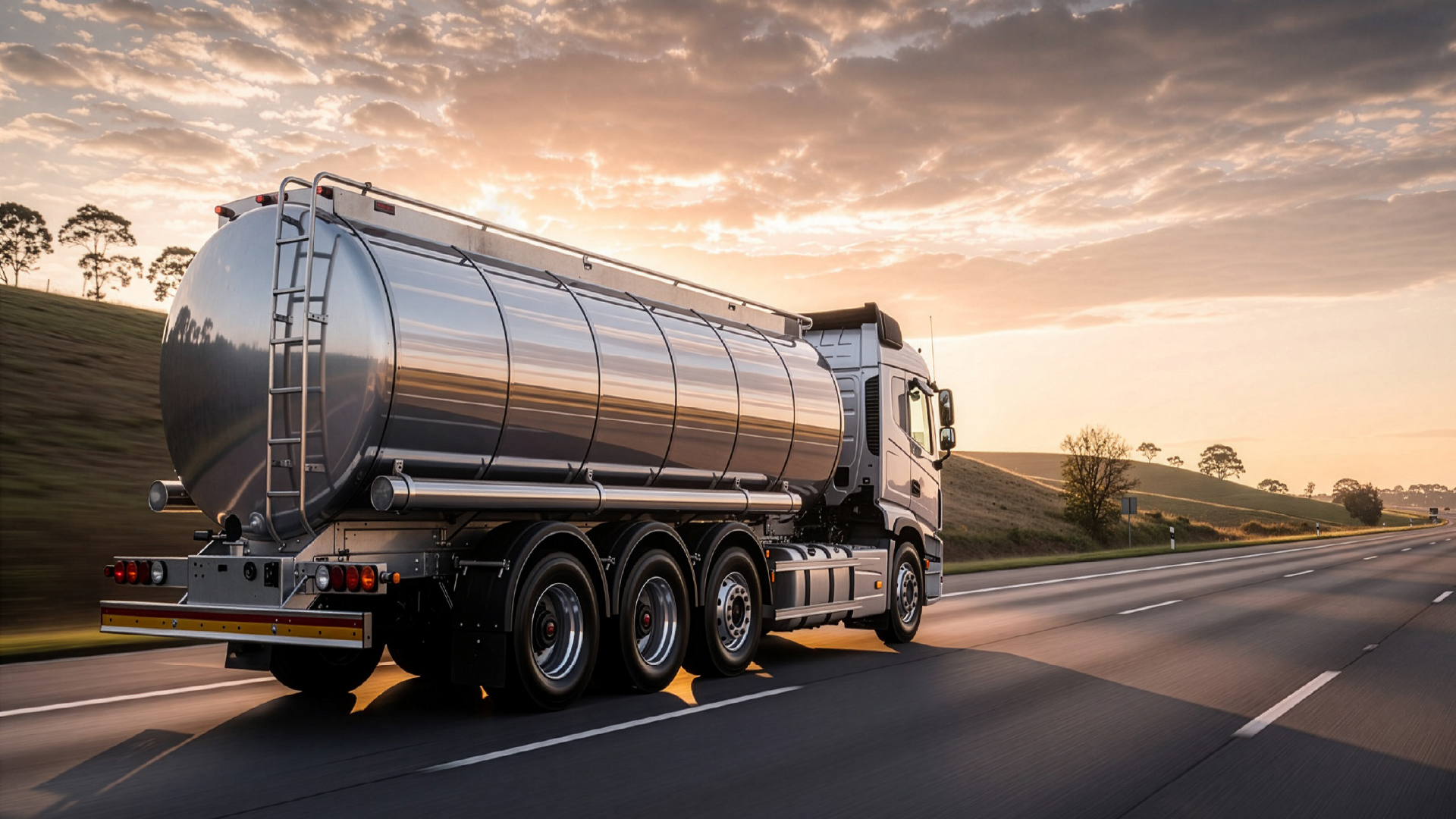
Synova’s process produces a jet fuel fraction that can be extracted and isomerized to meet aviation fuel specifications. Derived from the same clean syngas pathway as synthetic diesel, synthetic jet fuel offers ultra-low sulphur content and consistent molecular composition, supporting more predictable combustion and reduced emissions.
This product provides a pathway for regions with stranded gas resources to locally produce high-value aviation fuel, reducing reliance on imported jet fuel.
Synthetic Naphtha
Synthetic Naphtha produced through the EGTL process is a high-purity, paraffinic blendstock with flexible end-use applications. It can be blended into gasoline pools, used as a refinery feedstock, deployed in solvent markets, or utilized as a pipeline diluent for heavy oil transportation.
A key advantage of Synova’s system is its ability to recycle lower-value naphtha back into the diesel production stream, maximizing overall fuel yield and project economics. This flexibility allows operators to respond dynamically to market demand while minimizing low-value byproducts.
Fischer-Tropsch (FT) Wax
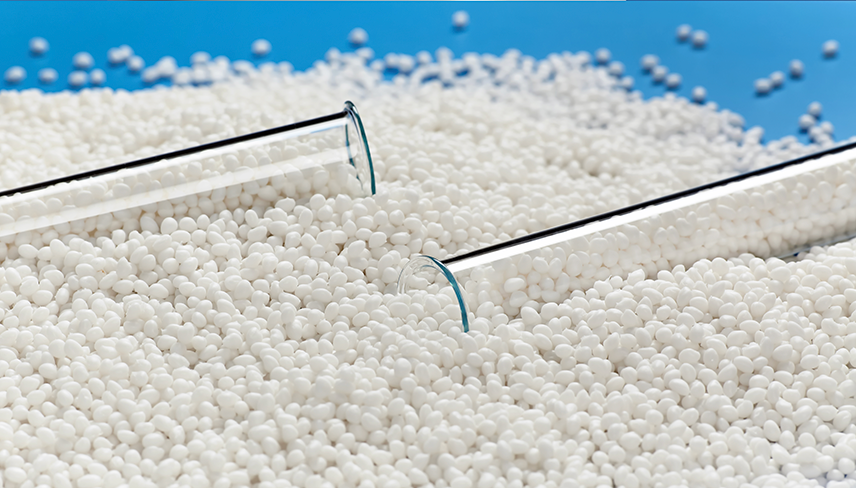
Synova produces high-quality Fischer-Tropsch waxes that are fully biodegradable and suitable for a wide range of industrial and consumer applications. These waxes are used in products such as industrial emulsions, cosmetics, printer inks, coatings, lubricants, and waterproofing materials.
FT wax represents a diversified revenue stream with strong demand across manufacturing and specialty chemical markets. In certain regions, it also supports local value-added industries, creating downstream economic benefits beyond fuel production.
Hydrogen
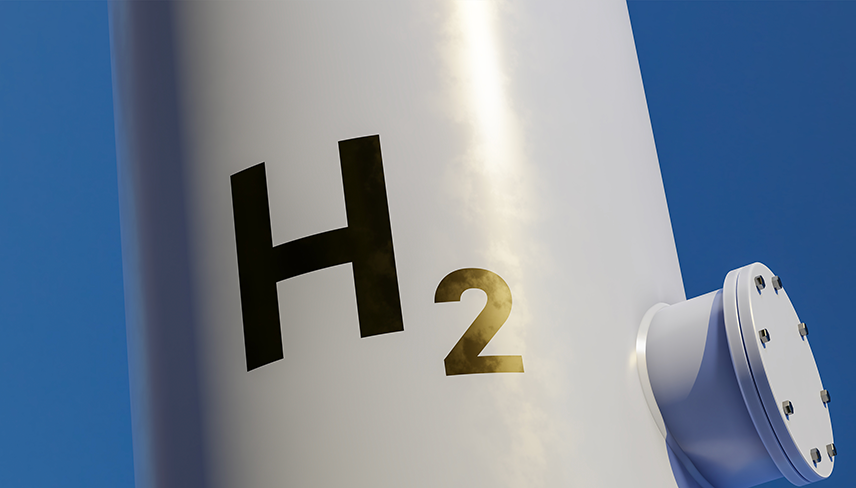
Each EGTL facility generates significant volumes of surplus hydrogen as part of the conversion process. A 2,500 barrel-per-day plant can produce approximately 70 tonnes of hydrogen per day, which can be used internally for plant energy needs or purified for external markets.
This hydrogen can support fertilizer production, power generation, industrial processing, or emerging fuel-cell and hydrogen mobility applications. The ability to scale hydrogen output without major additional capital investment positions Synova’s facilities as flexible contributors to the evolving hydrogen economy.

Ammonia and Urea (Downstream Optional Products)
Surplus hydrogen from Synova’s EGTL facilities can be converted into ammonia and further processed into urea, creating a direct link between clean fuel production and agricultural supply chains. Ammonia is essential for fertilizer production and energy storage, while urea plays a critical role in improving agricultural efficiency and reducing nitrogen emissions.
This optional downstream integration enables regions with abundant natural gas to localize fertilizer production, reduce imports, and improve food security while leveraging cleaner energy inputs.